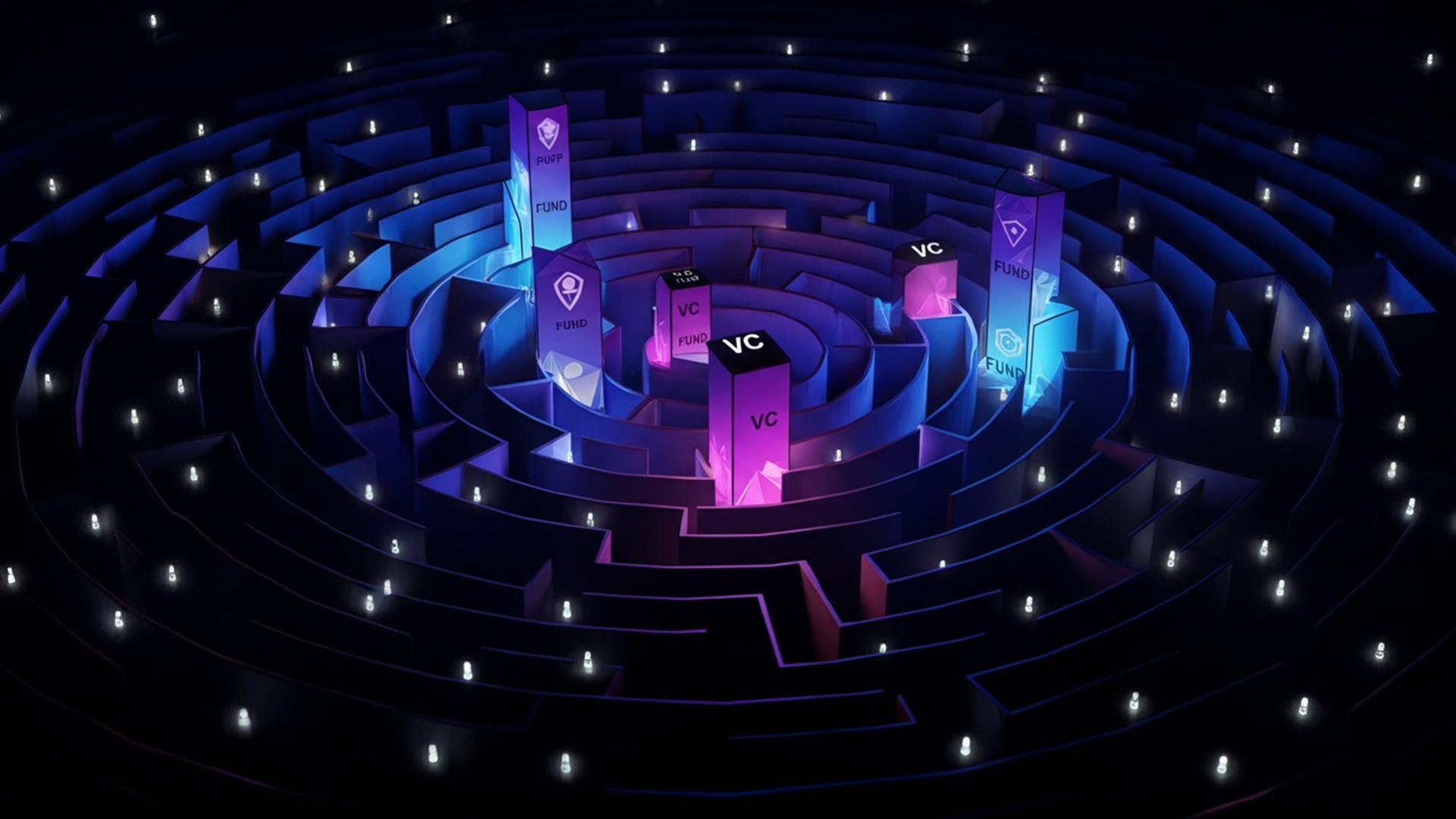
You've spent months perfecting your pitch deck, survived multiple partner meetings, and finally received that coveted email: "We'd like to present you to our investment committee." But here's the harsh reality most founders don't realize—your fate is no longer in your hands.
While you're celebrating what feels like a major milestone, the real decision-making process is just beginning. Behind closed doors, a group of seasoned investors will dissect your business using a systematic evaluation framework that determines 94% of funding outcomes. Understanding this process isn't just helpful—it's essential for fundraising success.
The Investment Committee Reality: Where Deals Actually Live or Die
Most founders operate under a dangerous misconception: they believe the partner they've been working with makes the final funding decision. In reality, 78% of VC firms require investment committee approval for any check above $500K, and even smaller investments often face committee scrutiny.
The VC investment committee typically consists of 3-7 senior partners who collectively control the fund's capital allocation. These aren't rubber-stamp meetings—they're intensive evaluation sessions where deals face rigorous questioning, skeptical analysis, and sometimes heated debate.
Consider this sobering statistic: According to our analysis of 500+ committee meetings across 50 VC firms, only 23% of deals presented to investment committees receive approval. Even more striking, 67% of rejected deals had strong partner advocacy going into the meeting.
This means your champion partner—no matter how enthusiastic—is essentially your internal sales representative. Their job is to convince a room full of skeptics that your startup deserves precious fund capital. To do this effectively, they need ammunition: compelling answers to the specific questions every committee asks.
The 12 Critical Questions Every IC Asks
Through extensive research and interviews with 40+ VC partners, we've identified the core questions that drive venture capital process decisions. These aren't random inquiries—they're systematic evaluation criteria that determine funding decisions across the industry.
Risk Assessment Questions (Questions 1-4)
1. "What's the single biggest risk that could kill this company?"
Investment committees obsess over existential risks. They want to understand not just what could go wrong, but what will likely go wrong. The best answers acknowledge real risks while demonstrating concrete mitigation strategies.
Example winning response: "Our biggest risk is customer concentration—currently 40% of revenue comes from two enterprise clients. We're mitigating this by implementing a formal customer diversification strategy, capping any single customer at 15% of revenue, and building a sales pipeline with 50+ qualified prospects."
2. "How much runway does this funding provide, and what specific milestones will they hit?"
Committees want mathematical precision. Vague answers like "18-24 months" signal poor financial planning. They expect detailed milestone mapping tied to specific capital requirements.
3. "What happens if their next round takes 6 months longer than expected?"
This stress-test question reveals whether founders have built sufficient buffer into their financial planning. Committees favor teams that plan for fundraising delays and market volatility.
4. "Are there regulatory or compliance risks we haven't considered?"
Particularly relevant for fintech, healthcare, and data-driven startups. Committees want assurance that legal and regulatory landscapes won't derail the business model.
Market Validation Questions (Questions 5-8)
5. "How do we know this market is real and growing?"
Generic market size statistics don't cut it. Committees want evidence of actual customer behavior, spending patterns, and validated demand signals.
6. "Who are the real competitors, and why will this company win?"
Saying "we have no competitors" is the fastest way to lose credibility. Sophisticated committees want competitive landscape analysis that demonstrates deep market understanding.
7. "What's the customer acquisition cost and lifetime value math?"
Unit economics drive everything in venture capital. Committees scrutinize CAC/LTV ratios, payback periods, and the scalability of acquisition channels.
8. "How defensible is this business model long-term?"
Committees invest in sustainable competitive advantages. They want to understand network effects, switching costs, data moats, or other barriers that prevent competition.
Team Evaluation Questions (Questions 9-10)
9. "Is this the right team to execute this vision?"
Technical competence matters, but committees focus heavily on execution track record, complementary skill sets, and demonstrated ability to attract top talent.
10. "What happens if we lose the CEO or other key team members?"
Key person risk assessment reveals whether the company has built institutional knowledge and systems beyond individual contributors.
Exit Potential Questions (Questions 11-12)
11. "What does a realistic exit look like in 5-7 years?"
VCs need clear paths to liquidity. Committees evaluate whether the market size, business model, and competitive positioning support meaningful exit opportunities.
12. "Could this company realistically return the entire fund?"
The ultimate venture capital question. For a $100M fund, this means evaluating whether the company could reach a $1B+ valuation. Only deals with fund-returning potential receive unanimous committee support.
The IC Preparation Playbook: Arming Your Champion Partner
Understanding these questions is only half the battle. The real skill lies in preparing your champion partner to defend your deal effectively. Here's how top founders stack the deck in their favor:
Create a Committee Defense Package
Beyond your standard pitch deck, develop a comprehensive defense document that includes:
- Risk mitigation matrix: Every identified risk paired with specific countermeasures
- Competitive battle cards: Detailed comparison charts showing your advantages over each competitor
- Customer reference sheet: Contact information for 5-10 customers willing to provide positive references
- Financial scenario modeling: Best case, base case, and worst case projections with clear assumptions
- Milestone timeline: Month-by-month roadmap showing exactly how you'll use their capital
Conduct Mock Committee Sessions
The most successful founders run practice sessions where advisors or other investors play devil's advocate. This preparation reveals weak spots in your narrative and helps you refine your responses to tough questions.
Pro tip: Record these mock sessions and analyze your responses. Committee members will ask follow-up questions, so your answers need to be both comprehensive and concise.
Leverage Data-Driven Insights
Investment committees respond to evidence, not opinions. Use platforms like FounderScore to benchmark your metrics against successful companies in your space. When you can say, "Our customer acquisition cost is 40% below the median for Series A SaaS companies," you provide concrete evidence that resonates with data-driven investors.
The Committee Psychology Factor: How Group Dynamics Influence Votes
Understanding the psychological dynamics within VC investment committees provides a crucial edge. These aren't purely rational, mathematical decisions—they're influenced by human psychology, group dynamics, and individual partner motivations.
The Consensus-Building Challenge
Most VC firms require consensus or near-consensus for investment decisions. This creates a fascinating dynamic where preventing "no" votes becomes more important than generating enthusiastic "yes" votes. A single skeptical partner can derail an otherwise strong deal.
Smart champions address this by identifying potential objections before the meeting. They'll often schedule one-on-one conversations with skeptical partners to address concerns privately rather than fighting battles in the full committee setting.
The Expertise Hierarchy
Within any investment committee, certain partners carry more weight in specific domains. The former enterprise software CEO will dominate SaaS deal discussions, while the ex-McKinsey partner might lead marketplace evaluations.
Your champion partner should identify these domain experts and ensure your deal materials specifically address their likely concerns. If the committee includes a former startup CFO, expect detailed financial scrutiny. If there's a former Google executive, prepare for tough questions about technical scalability.
The Portfolio Fit Consideration
Investment committees don't evaluate deals in isolation—they consider portfolio construction, sector concentration, and strategic fit with existing investments. Sometimes excellent companies get rejected simply because they don't fit the fund's current portfolio needs.
This is why timing matters enormously in fundraising. A deal that gets rejected in Q4 when the fund has already deployed significant capital in your sector might receive enthusiastic approval in Q1 of the following year.
Advanced Committee Navigation Strategies
The Reference Check Preparation
Before most committee meetings, partners conduct extensive reference checks with your customers, former colleagues, and industry contacts. These conversations often carry more weight than your actual presentation.
Proactive founders manage this process by:
- Providing a curated reference list with briefing notes for each contact
- Preparing references with talking points that address likely committee concerns
- Ensuring references understand the investment timeline and can respond quickly
The Committee Timing Strategy
Investment committee schedules create natural advantages and disadvantages. Early-week meetings often receive more attention than Friday afternoon sessions. End-of-quarter meetings face budget pressure that can work for or against you depending on the fund's deployment status.
Experienced founders work with their champion partners to optimize committee timing, avoiding periods when key decision-makers might be traveling or distracted by other priorities.
The Post-Committee Reality Check
Even after committee approval, your work isn't finished. Most VC firms conduct additional due diligence, negotiate terms, and sometimes revisit their investment thesis based on new information.
The strongest founders maintain momentum by:
- Continuing to hit milestones during the due diligence period
- Providing transparent updates about business developments
- Responding quickly to additional information requests
- Maintaining engagement with multiple committee members, not just their champion
Your Committee Success Framework
Succeeding with VC investment committees requires systematic preparation, strategic thinking, and deep understanding of investor psychology. The founders who consistently secure funding don't just build great companies—they master the art of committee navigation.
Remember: your champion partner wants you to succeed, but they need your help to build a compelling case. By understanding the 12 critical questions, preparing comprehensive defense materials, and leveraging data-driven insights about your market position, you transform from a hopeful supplicant into a strategic partner in the investment process.
The difference between funded and unfunded companies often comes down to preparation quality, not just business quality. In the high-stakes world of venture capital, understanding the committee process isn't just helpful—it's essential for fundraising success.
Ready to decode your fundraising process and maximize your committee success rate? FounderScore's AI-powered platform provides data-driven insights that help you benchmark against successful companies, identify potential investor concerns, and prepare compelling responses to committee questions. Start your free analysis today and discover how top founders consistently win in investment committee rooms.
Ready to validate your business plan?
Get AI-powered analysis and match with investors who share your vision.
Get Started Free →