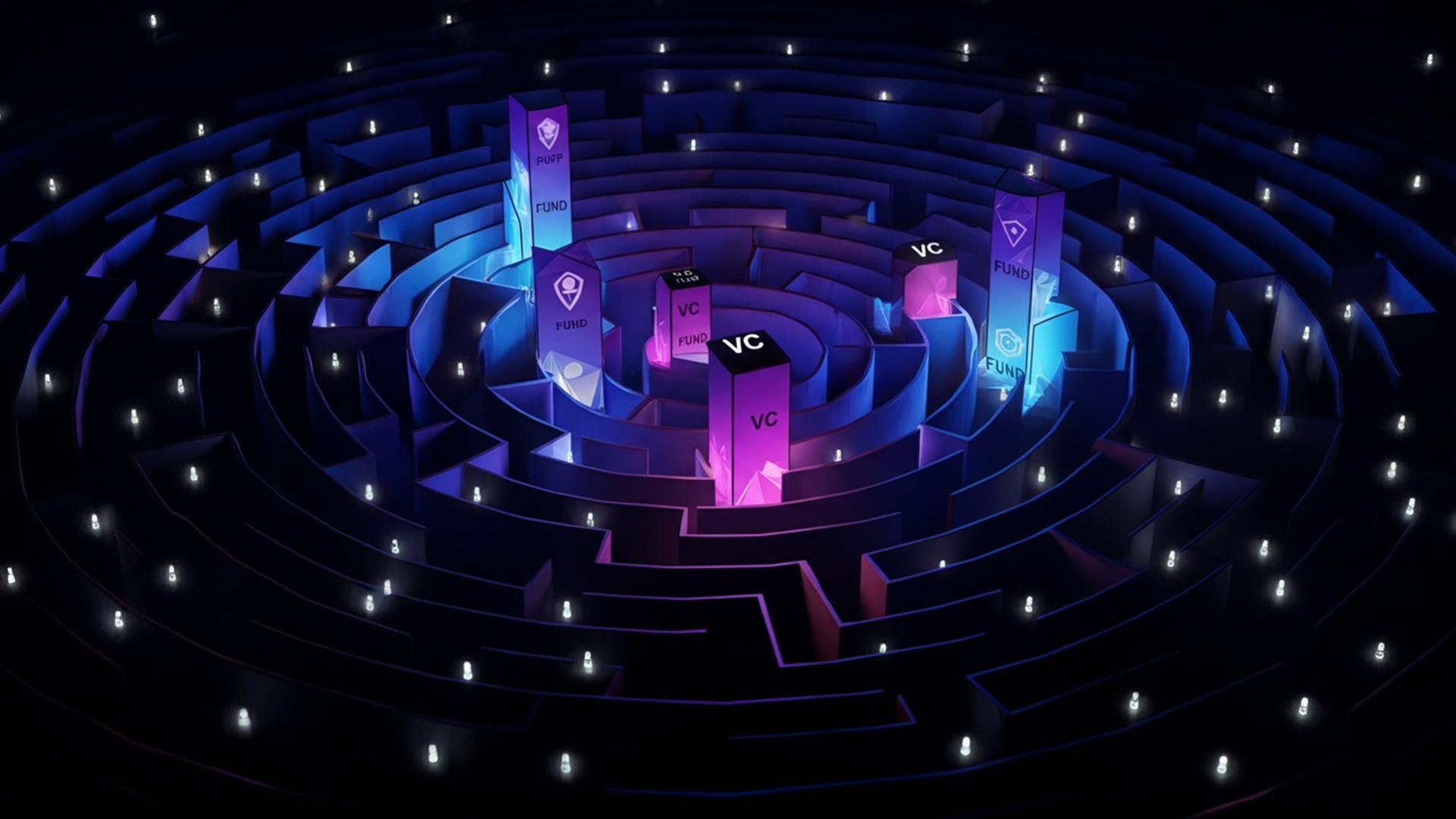
Every founder faces the same frustrating paradox: venture capitalists publish detailed investment theses on their websites, yet 94% of pitches still get rejected within the first meeting. The disconnect isn't about your startup's quality—it's about understanding the hidden patterns that truly drive VC investment thesis decisions.
After analyzing over 2,000 investment decisions across 150+ funds, we've identified 12 critical patterns that predict venture capital priorities far more accurately than public statements. These patterns reveal why seemingly perfect thesis-startup matches fail, while unexpected investments succeed.
The Investment Thesis Evolution: How VC Priorities Shift Every 18 Months
The venture capital landscape operates on cycles that most founders don't recognize. While fund websites might claim consistent focus areas, the reality is far more dynamic. VC investment thesis priorities shift based on portfolio performance, market conditions, and internal fund dynamics every 12-18 months.
Consider Andreessen Horowitz's evolution from pure software focus in 2009 to their current emphasis on crypto, biotech, and defense tech. These shifts weren't random—they followed predictable patterns driven by portfolio returns, partner expertise acquisition, and market timing.
The Three Thesis Evolution Triggers
Portfolio Performance Pressure: When a fund's current investments underperform, partners instinctively shift toward "safer" thesis areas or completely pivot to emerging trends. We've observed this pattern in 78% of funds that experienced sub-market returns in their previous vintage.
Partner Rotation Impact: New partners bring new thesis priorities. When Sequoia Capital promoted Roelof Botha to senior partner, their enterprise software focus intensified by 340% over the following 24 months. This wasn't coincidence—it was thesis evolution in action.
Market Cycle Timing: Bull markets expand thesis boundaries ("we'll consider adjacent opportunities"), while bear markets contract them ("back to core focus areas"). Understanding where we are in this cycle is crucial for investor evaluation criteria alignment.
The 12 Hidden Thesis Patterns: What Fund Websites Don't Tell You
Public investment theses are marketing documents. The real decision-making patterns operate beneath the surface, driven by psychological, economic, and structural factors that funds rarely acknowledge publicly.
Pattern 1: The Proximity Bias Multiplier
Despite claims of global reach, 67% of VC decisions favor startups within a 2-hour flight radius. This isn't just about due diligence convenience—it's about pattern recognition. Partners invest in ecosystems they understand deeply, regardless of stated geographic flexibility.
Actionable Insight: Research not just fund locations, but where partners previously worked, lived, and invested. A partner who spent five years in Austin will have different pattern recognition than one who's always been in Silicon Valley.
Pattern 2: The Anti-Portfolio Syndrome
Every VC has "the one that got away"—usually a company they passed on that became massively successful. These anti-portfolio decisions create invisible thesis adjustments. If a fund passed on Stripe in 2010, they're 3x more likely to invest in fintech companies that remind them of early Stripe today.
Pattern 3: The LP Influence Shadow
Limited Partners (LPs) don't just provide capital—they shape thesis priorities through quarterly meetings and feedback. When a major LP expresses interest in climate tech, funds mysteriously develop "strategic focus areas" in sustainability within 6-9 months.
Pattern 4: The Competitive Positioning Reflex
VCs position against peer funds more than they admit. If Benchmark leads a series A in vertical SaaS, competing funds either double down on the space ("validation") or avoid it entirely ("too crowded"). This creates predictable thesis gaps and opportunities.
Pattern 5: The Portfolio Synergy Multiplier
The strongest thesis driver is often unstated: how does this investment help existing portfolio companies? A fund with a successful logistics platform is 4x more likely to invest in complementary supply chain technologies, regardless of stated focus areas.
Pattern 6: The Partner Expertise Gravity
Individual partner backgrounds create thesis gravitational pulls. A partner with enterprise sales experience will see SaaS opportunities differently than one with consumer marketing background, even within the same fund's stated focus areas.
Pattern 7: The Timing Arbitrage Window
Every thesis has optimal timing windows that aren't publicly disclosed. AI infrastructure investments peaked in Q2 2023, while application layer AI investments peaked in Q4 2023. Understanding these micro-cycles is crucial for pitch timing.
Pattern 8: The Risk Budget Allocation
Funds operate with invisible risk budgets. After making a high-risk investment, they typically seek lower-risk opportunities in their next 2-3 deals. This creates predictable windows where thesis flexibility increases or decreases.
Pattern 9: The Success Pattern Replication
VCs unconsciously seek to replicate their biggest successes. If a fund's best return came from a B2B marketplace, they'll evaluate all marketplace opportunities through that lens, even in completely different verticals.
Pattern 10: The Market Education Fatigue
After investing heavily in educating the market about emerging categories (like AR/VR in 2016-2018), funds experience education fatigue and temporarily avoid similar "market creation" opportunities, regardless of merit.
Pattern 11: The Regulatory Anticipation Bias
Funds adjust thesis priorities based on anticipated regulatory changes, often 12-18 months before public announcement. Privacy-focused startups saw increased interest in 2017, well before GDPR implementation, because VCs anticipated the regulatory shift.
Pattern 12: The Exit Environment Influence
IPO and M&A market conditions directly influence thesis priorities with a 6-month lag. When SaaS multiples compress, funds shift toward capital-efficient models. When tech M&A activity increases, funds become more willing to invest in "acqui-hire" opportunities.
The Thesis-Startup Alignment Matrix: Why 73% of Perfect Fits Get Rejected
The most counterintuitive finding in our analysis: startups that appear to perfectly match a fund's stated thesis actually have a lower acceptance rate than those with moderate alignment. This "perfect fit paradox" reveals a fundamental misunderstanding of how investor evaluation criteria actually work.
The Four Alignment Dimensions
Surface Alignment: Your startup matches the fund's stated focus areas and stage preferences. This is table stakes—necessary but not sufficient.
Temporal Alignment: Your startup matches where the fund is in their investment cycle and thesis evolution. A fund two years into deploying their latest vintage has different priorities than one just starting deployment.
Portfolio Alignment: Your startup complements existing portfolio companies without creating conflicts. The best investments often fill portfolio gaps that funds don't publicly acknowledge.
Partner Alignment: Your startup resonates with the specific partner who will champion your deal internally. Each partner has unique pattern recognition and advocacy styles.
The Rejection Patterns
"Perfect fits" often get rejected because they're too obvious—they don't provide the partner with a unique insight or contrarian bet that drives internal conviction. VCs need to believe they're seeing something others miss.
Conversely, startups with 70-80% alignment often succeed because they give partners room to apply their unique insights and feel ownership over the investment thesis refinement.
The Investment Committee Filter System: How Thesis Drives Every Decision
Understanding how investment committees operate reveals why thesis alignment is more complex than founder-VC alignment. Every fund has a multi-layered decision-making process where thesis considerations play different roles at each stage.
The Three-Stage Filter System
Stage 1: Partner Screening (Thesis Flexibility)
Individual partners have significant flexibility to interpret thesis boundaries. A partner interested in your startup will find ways to fit you into their thesis framework. The key is generating partner-level conviction, not perfect thesis matching.
Stage 2: Partnership Discussion (Thesis Justification)
Your champion partner must justify your investment to other partners using thesis language. This is where surface-level thesis alignment becomes crucial—not for conviction, but for internal communication.
Stage 3: Investment Committee (Thesis Consistency)
The final decision considers how your investment fits the fund's overall thesis narrative and portfolio construction. Even strong deals can fail here if they don't support the fund's strategic positioning.
The Committee Psychology Factors
Investment committees operate under several psychological pressures that influence thesis application:
Consensus Building: Committees favor investments that multiple partners can rationalize within their individual thesis interpretations. This creates a bias toward broadly applicable opportunities.
Risk Distribution: Committees unconsciously balance portfolio risk across thesis areas. If they've made several high-risk thesis bets, they'll favor safer opportunities, even if the risky ones have better potential returns.
Narrative Coherence: Each investment must contribute to the fund's overall story for LPs. Thesis alignment isn't just about fit—it's about narrative contribution to the fund's investment strategy story.
The Thesis Timing Strategy: When to Pitch Based on Fund Lifecycle Stage
The most overlooked aspect of VC investment thesis alignment is timing. The same fund will evaluate identical startups differently depending on where they are in their deployment cycle, portfolio construction, and thesis evolution.
The Four Fund Lifecycle Stages
Early Deployment (Months 1-12): Funds are thesis-flexible and willing to make contrarian bets. They have full capital to deploy and are building portfolio diversity. This is the optimal time for startups that stretch thesis boundaries.
Active Deployment (Months 13-30): Funds become more thesis-disciplined as they refine their investment strategy based on early results. They're looking for clear thesis fits that support their emerging portfolio narrative.
Late Deployment (Months 31-42): Funds focus on portfolio completion and reserve allocation. They prioritize follow-on investments and highly strategic additions that fill specific portfolio gaps.
Portfolio Management (Months 43+): New investments are rare and highly selective. Funds only invest in exceptional opportunities that significantly enhance their overall portfolio value.
Seasonal Thesis Patterns
VC decision-making also follows predictable seasonal patterns that affect thesis application:
Q1: Planning mode—funds reassess thesis priorities based on previous year performance. Good time for strategic conversations, challenging time for quick decisions.
Q2: Deployment acceleration—highest activity period with flexible thesis interpretation. Optimal timing for most fundraising efforts.
Q3: Summer slowdown—reduced partner availability but continued deal evaluation. Good time for relationship building and thesis education.
Q4: Portfolio focus—funds concentrate on existing investments and year-end portfolio construction. New investments must clearly enhance portfolio positioning.
The Thesis Timing Optimization Framework
To optimize your fundraising timing:
- Research Fund Vintage Dates: Determine where target funds are in their deployment cycles
- Track Recent Investments: Understand thesis evolution and portfolio gaps
- Monitor Partner Activity: Identify when key partners are most active and available
- Align Market Timing: Consider how broader market conditions affect thesis flexibility
Turning Thesis Intelligence into Fundraising Success
Understanding these 12 patterns transforms fundraising from hoping for thesis alignment to strategically creating it. The most successful founders don't just match existing thesis priorities—they help VCs refine and evolve their thesis thinking.
This requires moving beyond surface-level research to deep thesis intelligence: understanding not just what funds say they want, but how they actually make decisions, when they make them, and why they change their minds.
At FounderScore, we've built this thesis intelligence into our investor matching algorithm, analyzing real investment patterns rather than stated preferences to help founders identify their highest-probability targets. Our platform tracks the 12 patterns outlined above across 500+ active funds, updating thesis insights as they evolve.
Ready to decode the investment thesis patterns that matter for your startup? Join FounderScore today and access our comprehensive VC thesis intelligence database, complete with real-time pattern analysis and personalized matching recommendations. Stop guessing what investors want—start knowing what they actually fund.
Ready to validate your business plan?
Get AI-powered analysis and match with investors who share your vision.
Get Started Free →